Daily Pre-Shift Inspection
Daily checks take approximately 15 minutes and are not optional. OSHA requires every powered industrial truck to be examined before it is placed in service, with a full inspection at least once per day, or after each shift if the forklift runs around the clock. Every operator should complete these steps before starting the engine.
Visual Walk-Around
Begin by walking around the entire machine. Search for puddles of oil, coolant, or fuel on the floor, which indicate active leaks. Inspect the chassis for loose bolts or structural cracks. Ensure that all safety decals and nameplates are legible.
Tires and Wheels
Check the condition of the tires. For pneumatic tires, verify the air pressure against the manufacturer’s specified range, which is listed on the forklift’s data plate rather than a single universal number. If you’re not sure how to read that plate, our forklift data plate guide walks through every field. For solid tires, look for “chunking” or flat spots. Ensure all lug nuts are present and tightened to prevent wheel wobble during high-capacity lifts.
Forks and Mast Assembly
The mast and forks are the primary load-bearing components. Inspect the fork blades for thinning or bending. Check the mast chains for proper tension and lubrication. Any crack in the carriage or fork surface requires the machine to be tagged out of service immediately.
Fluid Levels and Fuel System
Open the engine cover to check the engine oil, coolant, and hydraulic fluid. Low levels lead to overheating and pump cavitation. If the forklift runs on LPG, inspect the tank brackets and hoses for frost or the smell of rotten eggs, which is the odorant added to propane specifically so a leak is detectable. Propane leak protocol, as codified in NFPA 58, calls for shutting the tank off immediately and ventilating the area before anyone attempts a repair.
Weekly Maintenance Tasks
Weekly inspections focus on systems that wear down through repetitive use but may not show damage daily.
Battery and Electrical System
Even though the machine runs on fuel, the battery and alternator are critical for starting and powering lights. Clean any corrosion from the battery terminals and ensure the cables are seated tightly. If your fleet also runs electric units, the same corrosion and terminal checks apply to your industrial batteries, and the habits that make a battery last longer on an electric forklift protect a fuel forklift’s starting battery too.
Air Filter and Intake
A clogged air filter forces the engine to work harder, increasing fuel consumption and reducing power. Remove the air filter and check for heavy dust or debris; if it’s discolored or packed with buildup, replace it rather than tapping it clean; a fresh filter from our forklift parts counter costs far less than the extra fuel a clogged one burns over a month.
Brake System Performance
Test the service brakes and the parking brake in a clear area. The pedal should feel firm, not spongy. If the forklift drifts after the brake is applied, the linings or fluid levels need professional attention.
Monthly Deep-Dive Maintenance
Monthly checks focus on the long-term health of the powertrain and hydraulic cylinders.
Engine and Exhaust
Listen for unusual knocking sounds or excessive vibration while the engine idles. Inspect the exhaust system for holes or soot buildup. Dark smoke from the tailpipe often suggests an improper fuel-to-air ratio or internal engine wear.
Hydraulic Hoses and Cylinders
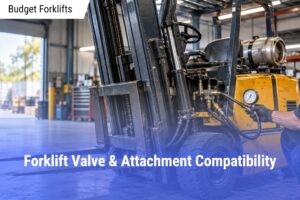
Examine all hydraulic hoses for “weeping” or bulges. Check the lift and tilt cylinders for scoring or leaking seals. Smooth operation is essential; jerky movements usually indicate air in the system or a failing hydraulic pump.
Steering and Suspension
Test the steering wheel for excessive “play.” Loose steering linkages make it difficult to navigate narrow warehouse aisles safely. Lubricate grease points on the steer axle to ensure fluid movement.
Why Use a Fuel Forklift Preventive Maintenance Checklist?
Consistent maintenance transforms your equipment from a liability into an asset. Businesses that follow a strict schedule enjoy several key benefits:
- Lower Operating Costs: Fixing a small leak costs significantly less than replacing a seized engine.
- Enhanced Safety: Reliable brakes and forks protect operators and pedestrians from harm.
- Higher Resale Value: Documented maintenance logs prove to future buyers that the machine was well-cared for.
- Regulatory Compliance: OSHA ties daily inspection directly to your operator training program, so a documented checklist habit also satisfies part of your training recordkeeping.
Professional Scheduled Servicing
While operators handle daily tasks, a qualified technician should perform quarterly deep-servicing. This includes engine tune-ups, transmission fluid flushes, and load-testing the hydraulic system. Our forklift service team uses specialized diagnostic tools to find hidden faults that a visual check might miss, and if a unit is approaching the point where repair costs outweigh its remaining value, that’s also the right time to compare it against current forklift financing options for a replacement.
Conclusion
Adopting a Fuel Forklift Preventive Maintenance Checklist is the best way to ensure your warehouse stays productive and efficient. Maintenance is not a chore; it is a vital investment in the reliability and longevity of your fleet. By catching small mechanical flaws early, you keep your team safe and your repair budget under control.
As a leading authority in material handling, Illinois Industrial Equipment, Inc. recommends that businesses treat these checklists as a mandatory part of their operational culture. Consistent care today, backed by professional expertise, ensures your forklift is ready to handle the heavy lifting tomorrow.